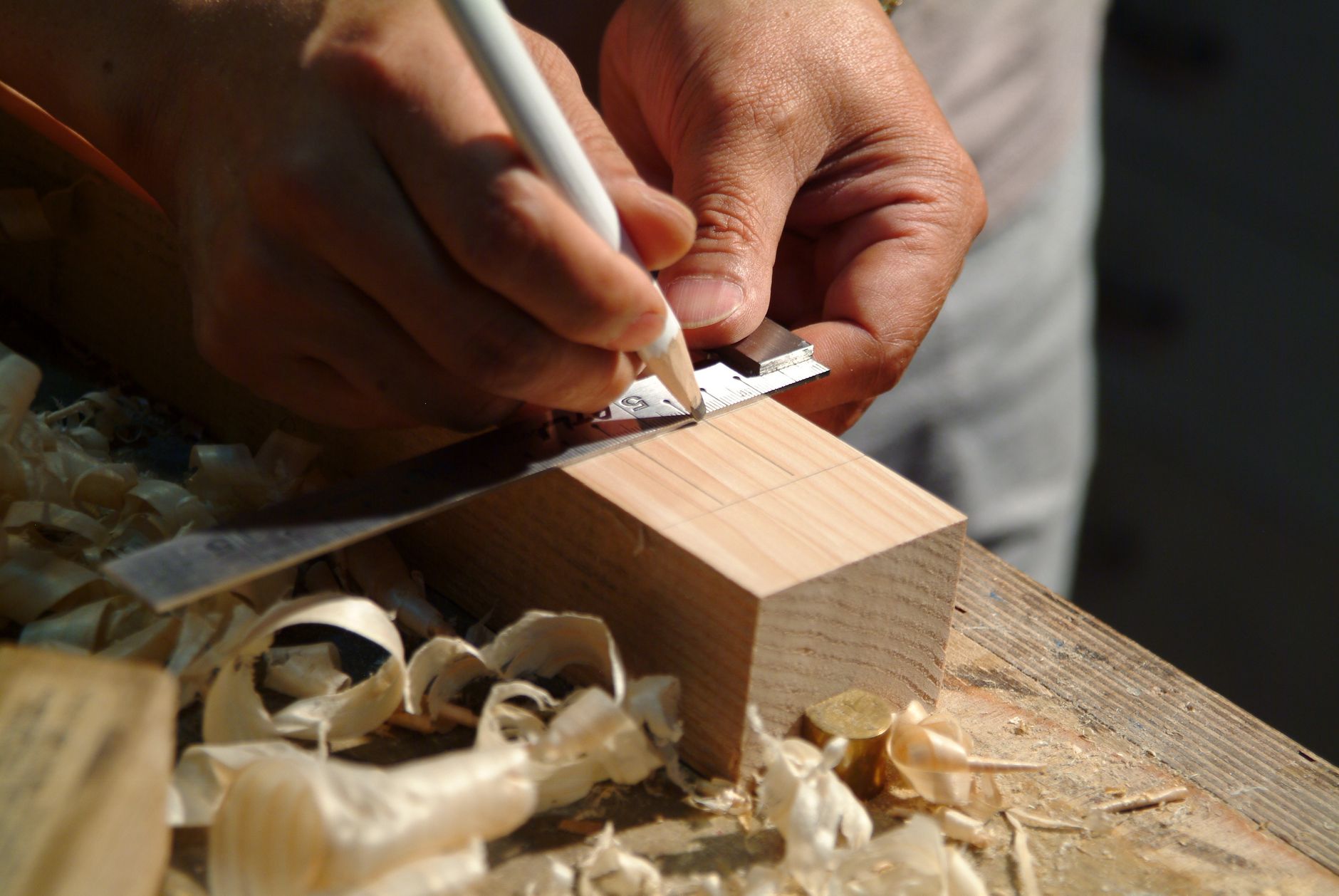
A dining table is the hardest-working piece of furniture most homes will ever own. It hosts homework, holidays, arguments and reconciliations. Getting one made is less about luxury than about physics, bodies and time — here is how we think about it.
Start with the bodies, not the boards
Seat width decides everything: 60cm per person is convivial, 75cm is comfortable, and anything under 55cm breeds elbows. Table height sits at 74–76cm for most chairs, with 28–30cm of knee clearance beneath the apron. We tape these dimensions out in your room with your actual chairs before drawing anything — because a beautiful table you cannot slide under is just sculpture.
Timber choice is a lifestyle choice
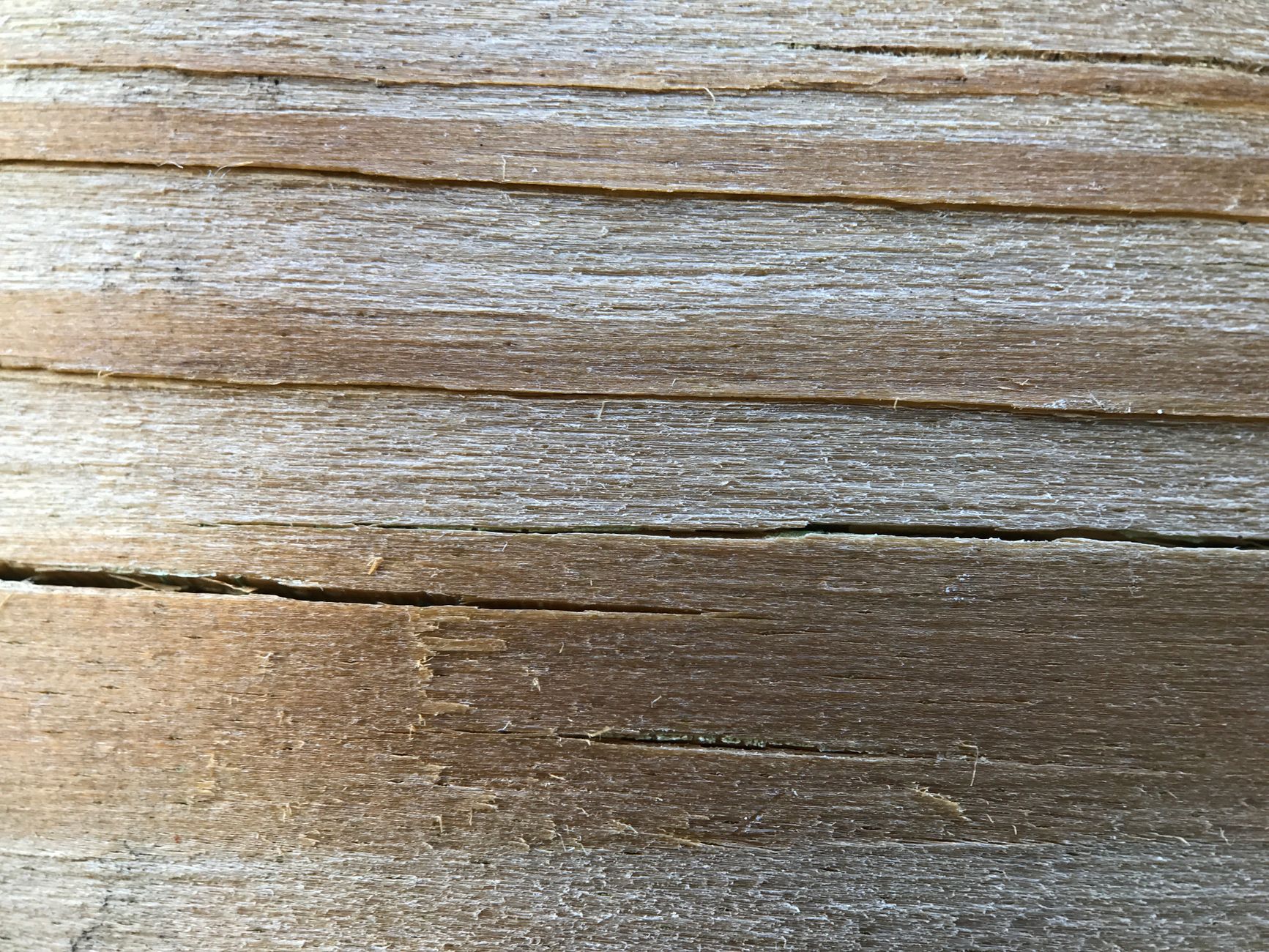
Oak forgives: its open grain hides small dents and re-oils beautifully. Walnut brings drama but shows dust and needs coasters taken seriously. Ash is pale, hard and honest in Scandinavian rooms. There is no best timber — only the one that matches how you live, which is why we bring boards to your home rather than swatches to a showroom.
Details that outlive trends
Breadboard ends that allow seasonal movement, aprons positioned for real knees, edges softened to the radius of a palm. Finish with hardwax oil you can refresh yourself, and a table becomes an heirloom in about fifteen years — right when the chairs start telling stories.